
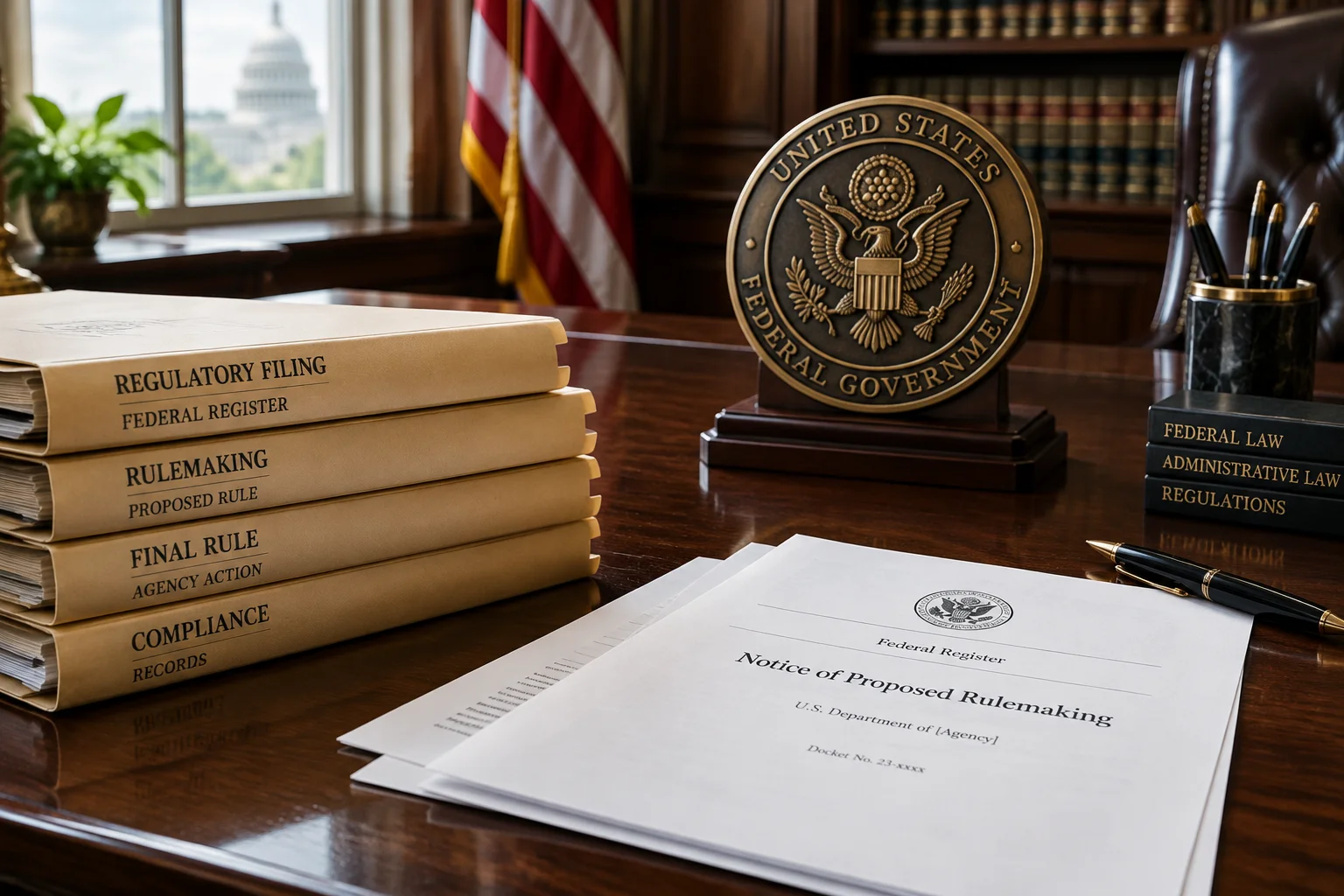

Accelerated Scrutiny Over Strategic Silicon Assets
Legislative momentum surrounding the COINS Act marks a decisive shift in how cross-border capital allocations are evaluated across the microelectronics sector. Rather than treating advanced chipmaking facilities as conventional commercial assets, the bill formalizes stringent national security benchmarks for foreign direct investment. Committee discussions reveal that federal regulators intend to eliminate previously accessible regulatory safe harbors, subjecting minority equity injections, joint venture patents, and equipment leasing syndicates to comprehensive inter-agency review.
Unlike conventional CFIUS inquiries that often occur retrospectively or during late-stage merger filings, the COINS Act framework establishes mandatory prospective clearance windows. Foreign institutional funds and sovereign wealth vehicles must submit transparent declarations ninety business days before completing any capitalization event in domestic fabrication or packaging firms. For hardware startups and foundry operators, this prospective mechanism introduces tangible administrative friction, necessitating exhaustive ownership tracing and third-party accounting certifications prior to finalizing institutional commitments.
Market Intelligence Briefing
Benchmark Financial Modeling & Risk Platforms
Explore our verified software performance rankings to identify analytics suites that model cross-border regulatory exposure and asset classification risk.
Operational Disruptions Across Foundry Capitalization
Foundry operators and equipment suppliers already report operational bottlenecks stemming from anticipated compliance mandates. Second-tier semiconductor producers rely heavily on syndicated capital structures that pool capital from international technology conglomerates, specialized venture pools, and sovereign development funds. Under the newly proposed rules, even fractional capital flows originating from flagged foreign jurisdictions can trigger protracted inter-agency audits, freezing planned cleanroom construction and equipment acquisitions while legal teams navigate regulatory reviews.
Key Analytical Takeaway
Mandatory prospective screening under the COINS Act is estimated to extend transaction closure timelines for domestic semiconductor ventures by an average of 115 days across institutional funding rounds.
Legal teams representing technology enterprises have responded by overhauling standard term sheets. Corporate agreements increasingly feature mandatory unwinding provisions, automatic redemption triggers, and clear governance boundaries that sever voting entitlements from foreign equity holders. Consequently, domestic venture debt syndicates and regional private credit lenders are capturing market share, stepping in to fill capital deficits though commanding noticeably higher yield premiums than multinational sovereign pools.
“The COINS Act signals the conclusion of unencumbered cross-border semiconductor financing, turning routine institutional rounds into multi-agency compliance hurdles.”
Institutional Protocols for Regulatory Adaptation
Technology executives and portfolio managers must restructure governance practices to preserve financing momentum under the forthcoming statutory regime. Corporate advisory panels recommend three practical operational adjustments for institutional allocators:
- —Structural IP Ring-Fencing: Isolate core proprietary lithography patents and cleanroom operations into autonomous domestic entities insulated from foreign shareholder governance.
- —Real-Time Ownership Audit Pipelines: Implement automated verification tools to monitor intermediate holding layers and ultimate beneficial owners against federal screening lists.
- —Contingent Escrow Capital Structures: Utilize milestone-conditioned escrow mechanisms that disburse funds solely upon the issuance of unconditional inter-agency clearance letters.
Industry associations continue advocating for targeted exemptions covering legacy microcontroller fabrication and mature industrial nodes. Nonetheless, bipartisan congressional support indicates that universal investment barriers will take effect as scheduled. Enterprises that modernize their capital architecture ahead of statutory deadlines will safeguard operational momentum, while unprepared syndicates will inevitably face protracted transaction freezes and burdensome restructuring costs.
Frequently Addressed Policy Questions
Intelligence DeskAll News
Recent Market Intelligence & Trade Analysis